
This service supports disaster and climate risk governance by translating complex spatial and environmental data into decision-ready evidence that informs policy, planning, and investment choices.
Through GIS and remote sensing analysis, we help governments, development partners, and institutions strengthen risk understanding, prioritize action, and align strategies with international disaster risk reduction frameworks, including the Sendai Framework for Disaster Risk Reduction.
What This Service Supports:
1-Risk mapping and vulnerability analysis to support risk governance and planning, including spatial evidence that helps decision-makers understand exposure, vulnerability, and risk patterns relevant to national and sub-national disaster risk reduction strategies.
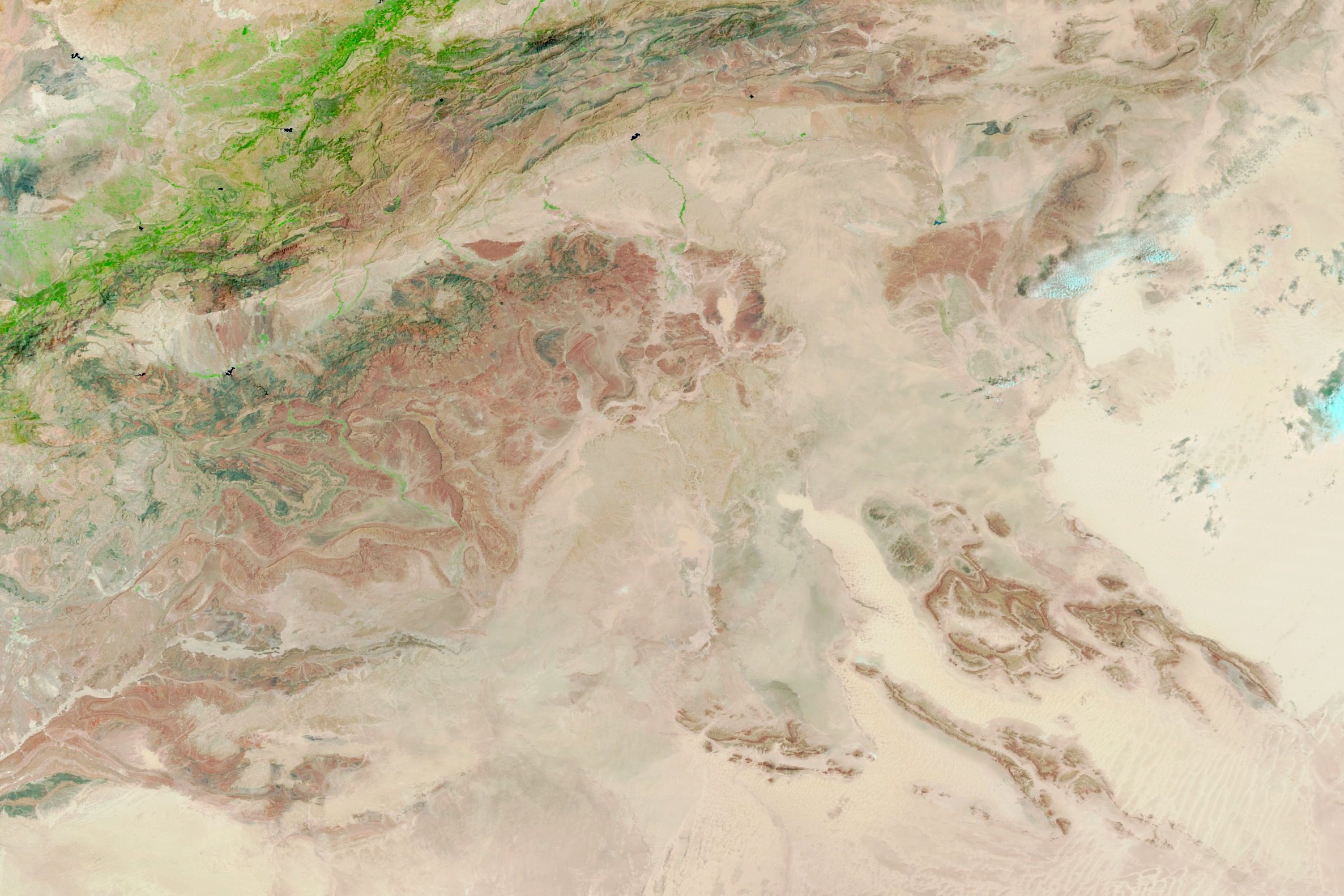
2-Remote sensing analysis to inform climate and disaster risk understanding, including the interpretation of satellite-based environmental indicators (e.g. land use change, drought conditions, ecosystem stress) relevant for long-term risk reduction and resilience planning.
3-Tailored spatial analysis and analytical briefs that support policy development, investment prioritization, and preparedness planning, including applications such as flood risk modelling, drought risk analysis, and multi-hazard risk baselines.
How We Support Decision-Making
Step 1 — Scoping the decision context
We work with partners to understand the policy, planning, or investment decisions that the analysis is intended to inform.
Step 2 — Evidence assembly & analysis
Relevant spatial and environmental datasets are compiled and analysed to generate robust evidence tailored to the decision context.
Step 3 — Interpretation for governance and planning
Analytical results are translated into insights that support risk governance, strategic planning, and preparedness priorities.
Step 4 — Delivery of decision-ready outputs
Outputs are delivered in formats designed to support discussion, coordination, and informed decision-making (e.g. analytical notes, maps, and summaries).
This service provides analytical and decision-support inputs and does not replace the mandates or operational responsibilities of national authorities.